


Letting Sadness Have A Seat
Why making space for sadness can be the most healing thing you can do
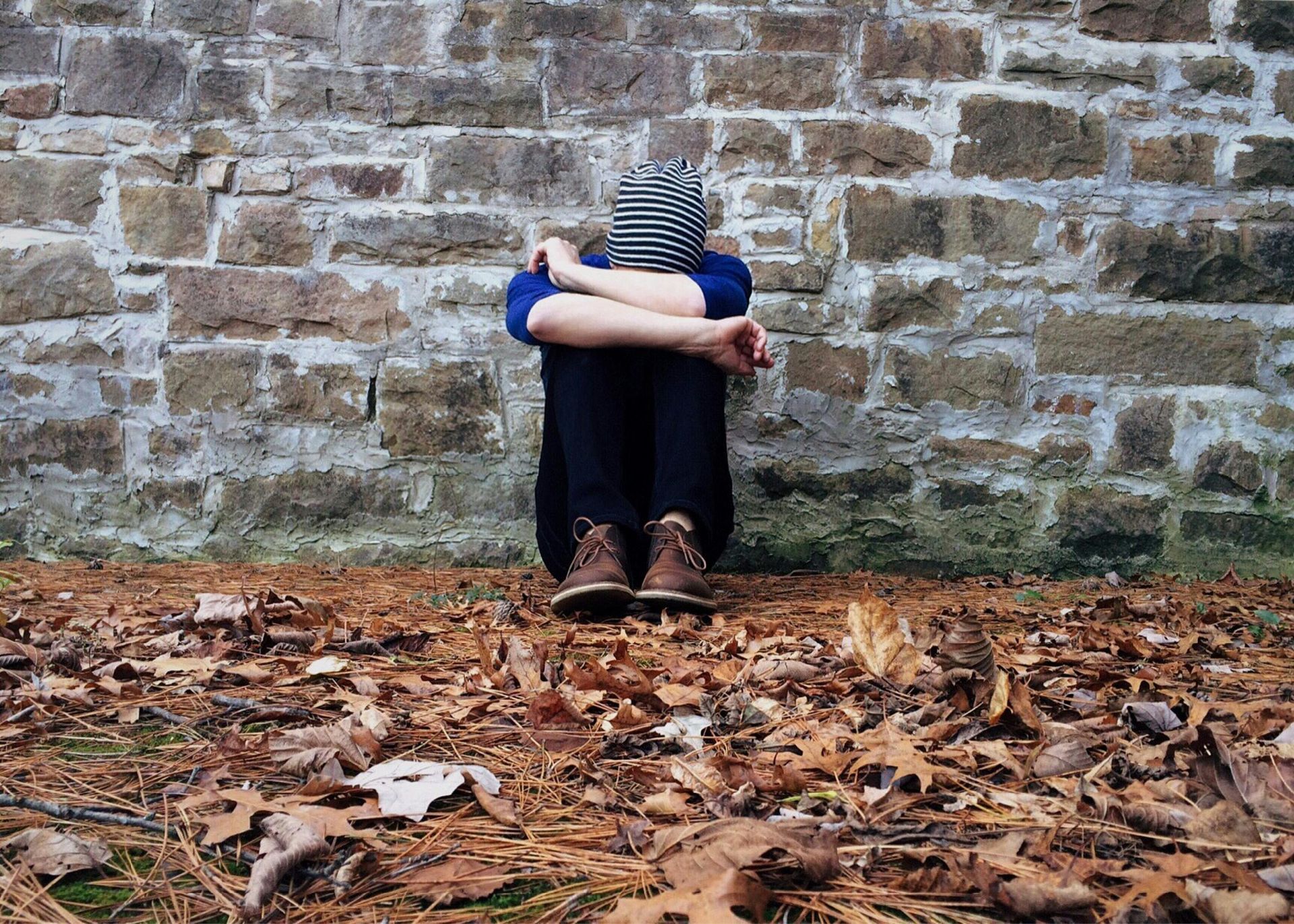
There's a sacredness in every emotion we experience, even the ones we try to avoid. Sadness, in particular, is often treated as a sign that something has gone wrong inside us. But spiritually, and psychologically, sadness is not a flaw. It is a doorway.
When we slow down enough to acknowledge it, sadness becomes a tender teacher. It invites us inward, back to the places within us that need compassion, attention, and healing.
Letting sadness have a seat is not a weakness.
Sadness Is a Spiritual Signal
In many spiritual traditions, emotions are seen as energy, messages from the soul guiding us back into alignment. Sadness often appears when we've reached a moment of truth:
a truth about what we've lost, what we miss, or what we long for.
From a mental health perspective, sadness is also a natural response to change, pressure and unmet needs. It's the soul saying "Pause. Something inside you needs care."
When we make space for sadness, we honour the deeper part of ourselves that is trying to be heard.
Avoiding Sadness Disconnects Us from Ourselves.
We're taught to stay busy,
stay productive
stay positive.
Yet, when we continually avoid sadness, it forms a spiritual and emotional gap. One that leaves us moving through life out of touch with our inner truth.
Psychologically, pushed-down sadness can reappear as anxiety, numbness, irritability, or exhaustion. Spiritually, it may show up as a fading sense of clarity, intuition, or connection to something beyond ourselves.
Allowing sadness to sit with you, without trying to mute it, begins to close that gap. It brings you back into alignment with your full, authentic self.

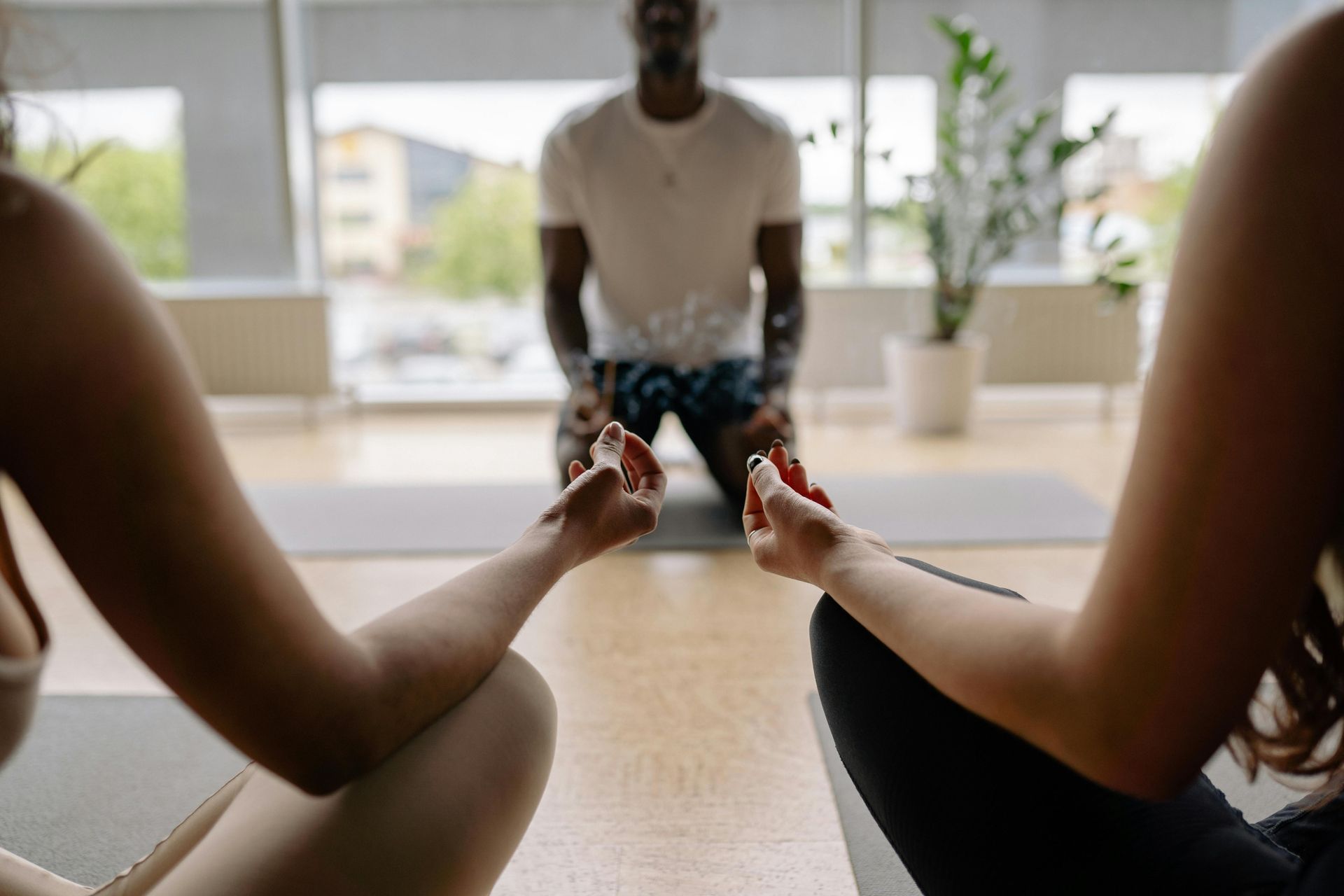
Creating Space Is a Healing Practice
Making space for sadness is not about sinking into despair. It's about meeting your emotions with consciousness.
You can create that space by:
- Breathing slowly and noticing the feeling without judgement
- Journaling with honesty and kindness toward yourself
- Crying when your body needs to release
- Sitting in silence, allowing sadness to be present without fixing it
- Allowing yourself to re-ground
These spiritual and therapeutic practices help the nervous system settle. They tell your body and soul, "You are safe to feel."
Sadness Deepens Compassion
Sadness softens us. It opens the heart.
Spiritually, sadness is known to cultivate humility. Gentleness. Empathy.
It reminds us that we're human, and that everyone around us carries invisible battles of their own.
Sharing sadness with a trusted person can build connection, reduce emotional isolation, and increase resilience. Vulnerability creates closeness.
When we let ourselves feel sadness, we learn to meet others' sadness with more compassion too.
Allowing Sadness Is a Path to Real Healing
Healing is not about forcing yourself to "move on."
Healing is about allowing yourself to "move through."
Letting sadness be present means:
- trusting that emotions comes in waves
- understanding that feelings are temporary, not identity
- releasing the shame around being human
- allowing the soul to clear out what it no longer needs to carry
From a spiritual standpoint, sadness can be a cleansing.
From a mental health standpoint, it is regulation.
From a human standpoint, it is necessary.
Let Sadness Rest Beside You. Then Let is Rise and Go
When sadness shows up, offer it a quiet place to sit.
Let it speak its truth.
Let is soften what's hardened inside you.
And when the time is right, sadness will left. Gently. Naturally.
Because it has been acknowledged, not suppressed.
Peace often arrives right after honesty. Healing often begins right after acceptance.
Something the most transformative thing you can do is simply make room for the emotion you've been trying hardest to avoid.