


Articles on
Mental Health, Counselling and Psychotherapy

There is something deeply powerful about taking a moment to remember those who came before us.
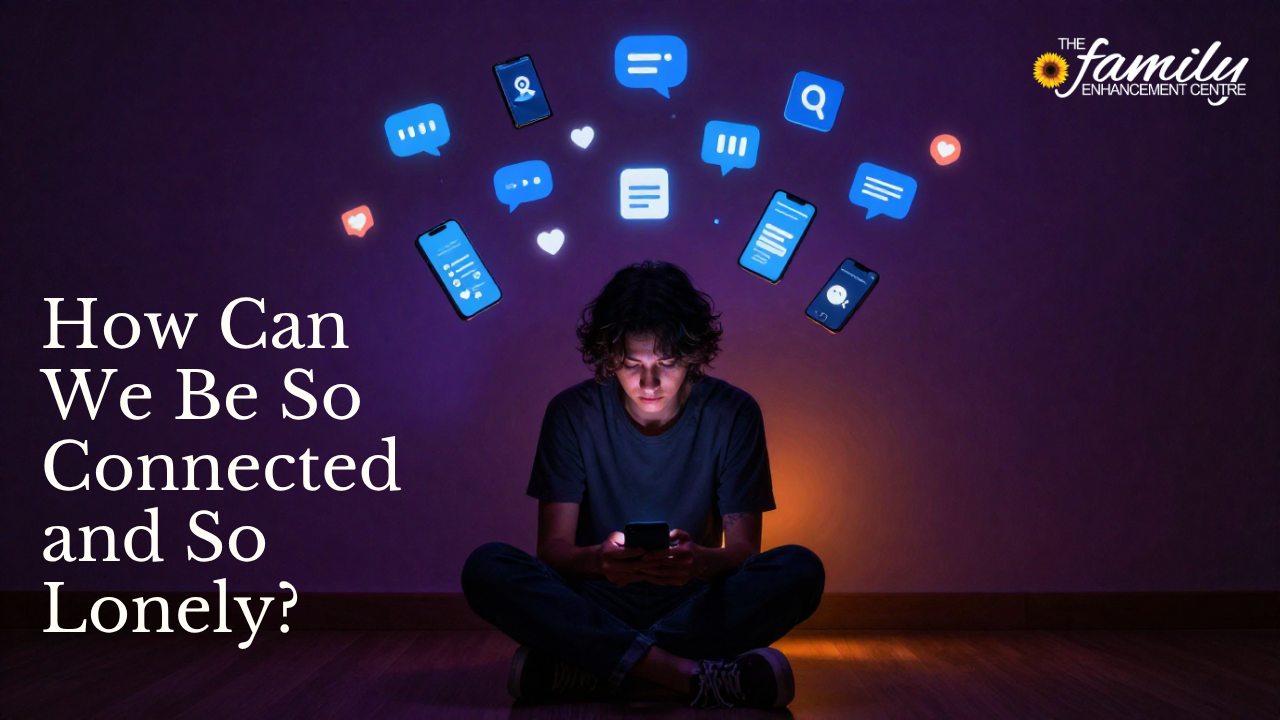
In an age where a message can travel across the world in seconds and social media keeps us constantly plugged into the lives of others, loneliness has become one of the most surprising, and troubling, mental health challenges of our time. At first glance, it seems like a contradiction. How can people feel lonely when they are more connected than ever? Yet this paradox sits at the heart of a growing global conversation. The reason is simple: loneliness is not just about being alone. It is about the absence of meaningful connection. A person can spend their day surrounded by coworkers, exchange messages with friends, attend social events, and maintain an active online presence, yet still feel profoundly disconnected. Loneliness is less about the number of people in our lives and more about whether we feel truly seen, understood, and valued by them . Research increasingly confirms what many therapists have observed for years. In 2023, the U.S. Surgeon General issued an advisory describing loneliness as a public health epidemic, citing evidence that chronic social disconnection can carry health risks comparable to smoking up to 15 cigarettes a day ! What makes this issue particularly fascinating is that it has emerged during a period of unprecedented technological connectivity. We can communicate instantly, maintain relationships across continents, and access endless opportunities for interaction. Yet many people report feeling less connected than previous generations. According to a Meta-Gallup global survey, nearly one in four adults worldwide reports feeling very or fairly lonely . Younger adults, despite being among the most digitally connected groups, often report some of the highest levels of loneliness. Several factors are fueling this growing conversation: The rise of chronic loneliness across all age groups Feeling disconnected despite constant digital communication Friendship loss and shrinking social circles in adulthood The importance of community, belonging, and social support The impact of remote work and fewer face-to-face interactions The connection between loneliness, anxiety, and depression Perhaps the most striking aspect of loneliness is how invisible it can be. The stereotype of a lonely person often involves someone isolated and withdrawn. In reality, many people experiencing loneliness may appear successful, socially active, and highly engaged. They may have busy calendars, thriving careers, and large networks of acquaintances. Yet beneath the surface, they may struggle with a lack of emotional intimacy, authentic relationships, or a genuine sense of belonging. This is why loneliness can be so difficult to recognize. Not only in others, but in ourselves. And loneliness is not confined to any one stage of life. Young adults may grapple with social transitions, identity formation, and the pressure to build meaningful relationships. Midlife adults often experience friendship shifts due to career demands, parenting responsibilities, or relocation. Older adults may face isolation following retirement, health challenges, or the loss of loved ones. While the circumstances differ, the underlying need remains the same: the desire to feel connected. The good news is that research consistently shows the powerful role human connection plays in protecting mental health. Strong relationships are associated with lower rates of depression and anxiety, greater resilience during stressful periods, and higher overall life satisfaction. Community acts as a buffer against life's inevitable challenges , helping people navigate uncertainty, loss, and change with greater emotional strength. How to Combat Loneliness in the Age of Social Media While social media can help us stay informed and connected, it can also create the illusion of connection without always providing the depth of relationship we need. Scrolling through updates, liking posts, and exchanging quick messages can be enjoyable, but meaningful connection often requires something more intentional. One of the most effective ways to combat loneliness is to focus on quality over quantity . A few genuine relationships where you feel comfortable being yourself are often more protective for mental health than hundreds of online connections. Building community doesn't have to be complicated. In fact, some of the strongest connections are formed through simple, shared experiences. Consider: Joining a recreational sports league or fitness class Attending local community events, festivals, or markets Participating in a book club or hobby group Volunteering for a cause you care about Taking a class to learn a new skill Starting a monthly game night with friends or neighbors Joining a walking, hiking, or cycling group Becoming involved in a local community garden Attending networking events or professional meetups Inviting someone for coffee instead of relying solely on text messages It can also be helpful to create small rituals of connection. Regular phone calls with family members, weekly lunches with coworkers, or recurring meetups with friends can provide a sense of consistency and belonging that many people crave. Most importantly, remember that building community takes time. Meaningful relationships are rarely formed overnight. They grow through repeated interactions, shared experiences, vulnerability, and mutual support. Invest time in others, and watch a stronger community grow

When many people think about healing, they think about overcoming pain, fixing what is broken, or moving on from difficult experiences. Indigenous perspectives often invite us to think about healing differently. Healing is not about becoming someone new. It is about returning to who we are.

Why making space for sadness can be the most healing thing you can do

When Burnout Creeps In: Practical Ways to Respond in the Moment including 3 minute resets to include in daily life

Stress rarely shows up all at once. More often, it builds quietly throughout the day. A tight deadline here. A difficult conversation there. Too many decisions without enough pause. Before long, your body feels tense, your thoughts start racing, and it becomes harder to focus. In therapy, we often talk about something important: stress does not always need a big solution. Sometimes what helps most is interrupting the stress cycle early. Below are a few simple techniques people often find helpful when they need to reset in the middle of a busy or overwhelming day.

3 tiny habits that don't rely on motivation

Deciding to have therapy can be a very difficult decision. Maybe you made the decision yourself, or someone in your life suggested you have therapy, or someone in your life is insisting you have therapy. Regardless of how you got to this decision, the next step is where to find therapy. Should you see a psychiatrist, psychologist, psychotherapist, or social worker? These all sound so similar, but each of these professionals has a different educational and practice background. Often your decision is based on factors such as what your health care benefits cover. Next comes one of the hardest steps: choosing a therapist. In therapy you and your therapist will form a therapeutic relationship. Maybe the word relationship sounds intense, but this is the person to whom you are going to confide your personal and private thoughts and feelings, perhaps information you have never shared with anyone else. So, you need to be comfortable with and trust your therapist. It needs to be a good fit. But how do you know whether the therapist you are choosing is going to be right for you? Let’s take the example where you have therapy services available to you through your workplace’s Employee Assistance Program. You contact the provider, and they ask what you are looking for in a therapist, or they direct you to a website where you see photos and biographies of each therapist. You can use different criteria to filter through the choices – gender, age, race, ethnicity, religion, experience. You can look at the photos to see who might stand out to you. You can read the biographies and see which therapist’s experience aligns with the issues you are struggling with. I often compare choosing a therapist to dating. You look over the photos and biographies to decide who will be best suited to you like using a dating app, or someone has recommended a therapist to you like a blind date. Some employer benefit programs allow you to have a short phone or video consultation with one or more different therapists before choosing. But the reality is that photos, biographies, and consultations are just snapshots of your therapist, and while you might have a sense in the 1st therapy session if they are right for you, it might take a few sessions for you to know for sure.

If you’ve ever caught yourself thinking, “ I should be handling this better ,” you’re far from alone. So many of us move through our days carrying a quiet hum of self-criticism: that subtle background noise whispering that we’re not doing enough, not coping well enough, not enough in some vague but relentless way.
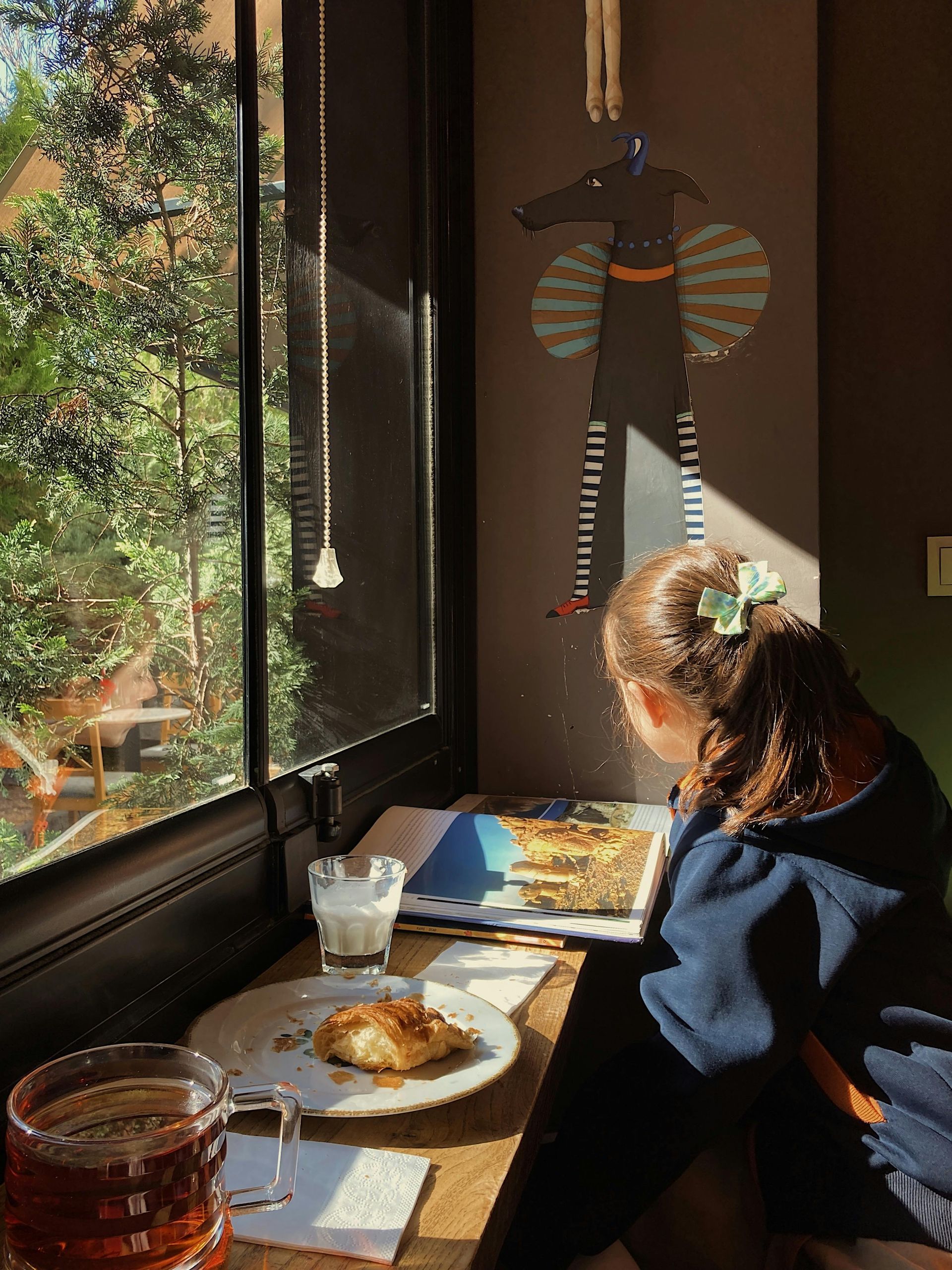
Gratitude has become one of those words that's easy to say but hard to truly feel. Every November, as the year starts to wind down, we're reminded to "focus on the positives" and "count our blessings". It's meant to be uplifting but for many people, that invitation doesn't land as gently as intended. Because sometimes, gratitude feels complicated. You might know, logically, that you have things to be thankful for - a roof over your head, people who care, moments of comfort. But knowing that doesn't always translate into feeling grateful, especially when life has been heavy. When loss, exhaustion, or quiet disappointments have piled up, "being thankful" can feel more like a performance than a practice. And pretending you're okay when you're not doesn't create gratitude... it creates guilt.