


Learning To Be On Your Own Side
If you’ve ever caught yourself thinking,
“I should be handling this better,”
you’re far from alone.
So many of us move through our days carrying a quiet hum of self-criticism: that subtle background noise whispering that we’re not doing enough, not coping well enough, not enough in some vague but relentless way.

It’s an exhausting way to live. Always measuring, always striving, always tightening against the feeling that we’re somehow falling short. And yet, when life feels heavy or confusing, our instinct is rarely to soften toward ourselves. More often, we respond to pain by pushing harder, hiding it, or scolding ourselves for not being stronger. We say things like,
“I need to get it together,” when what we truly need is to be held, even if only by our own compassion.
Self-compassion isn’t about ignoring reality, giving up, or excusing harmful behavior. It’s not pretending things are fine when they aren’t. Rather, it’s about remembering that we’re human and that being human means we will, inevitably, struggle, stumble, and sometimes lose our way. It’s choosing to be on our own side, even when we feel most undeserving of care.
Sometimes, in therapy, when someone speaks harshly about themselves, with that familiar mix of shame and disappointment, I’ll gently ask:
“If someone you loved were saying these things about themselves, what would you want them to hear instead?”
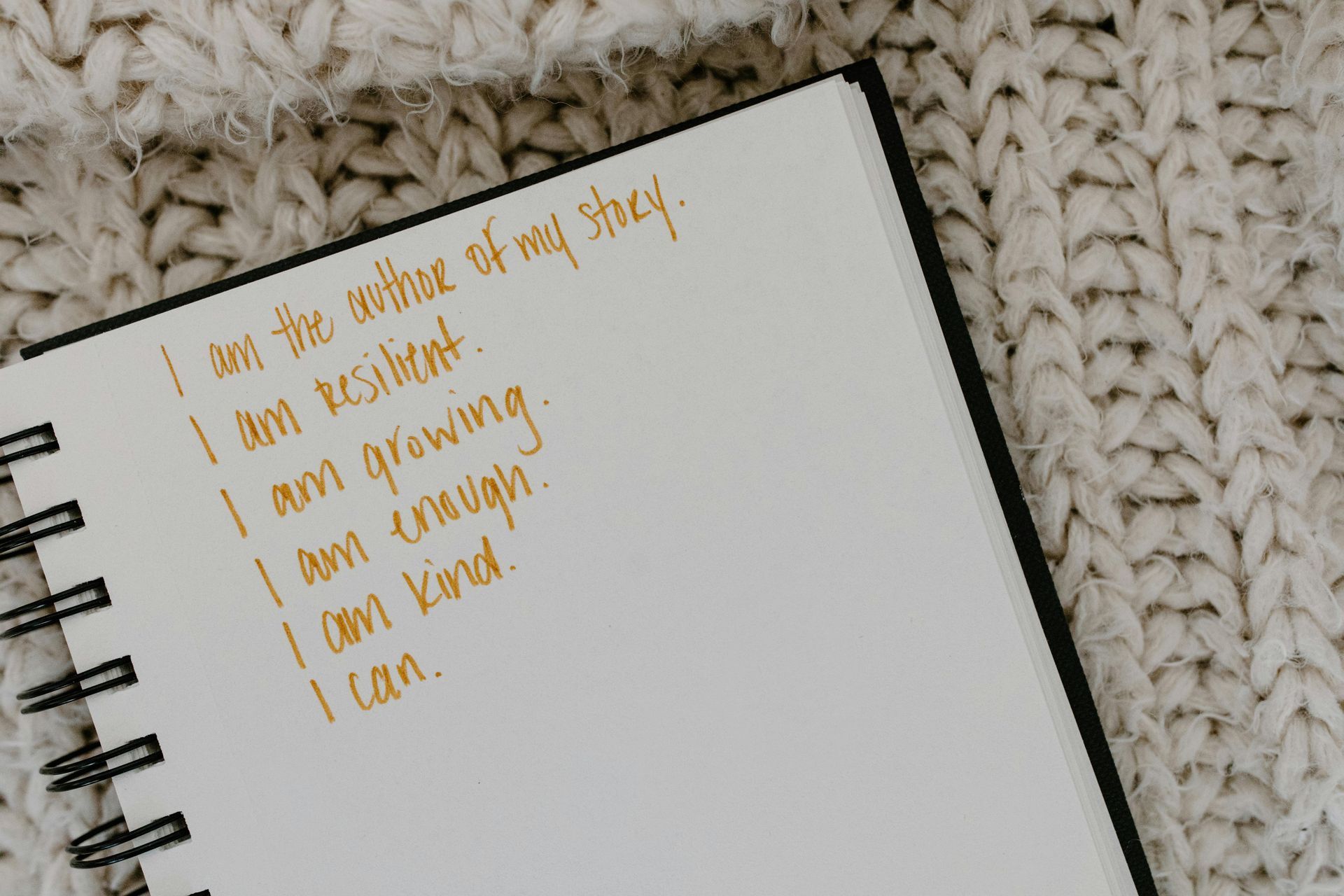
There’s usually a pause, and then something shifts. The air softens. Because we already know how to be kind. We already know what compassion sounds like. We’ve just forgotten to include ourselves in the circle of kindness we so freely extend to others.
When we practice self-compassion, we begin to change the tone of our inner world. It’s not about silencing the critical voice, it’s about learning to speak back with gentleness.
Here’s a small practice you might try:
When you notice that inner voice saying, “You’re failing,” or “You should be stronger,” take a slow, deliberate breath. Feel the air enter and leave your body. Maybe place a hand over your heart, or somewhere grounding. And then say softly to yourself:
“This is hard. And I’m doing the best I can right now.”
You don’t need to fully believe it at first. It’s okay if it feels awkward, clumsy, or even a little false. You’re not trying to convince yourself of something new, you’re simply offering a different way of relating to your own pain. Over time, this simple act begins to reshape how you hold yourself in moments of struggle.
Because self-compassion isn’t a skill you master, it’s a stance you return to. A way of being with yourself that says:
I can be both imperfect and worthy of care.
I can be hurting and still whole.
I can be human and still enough.
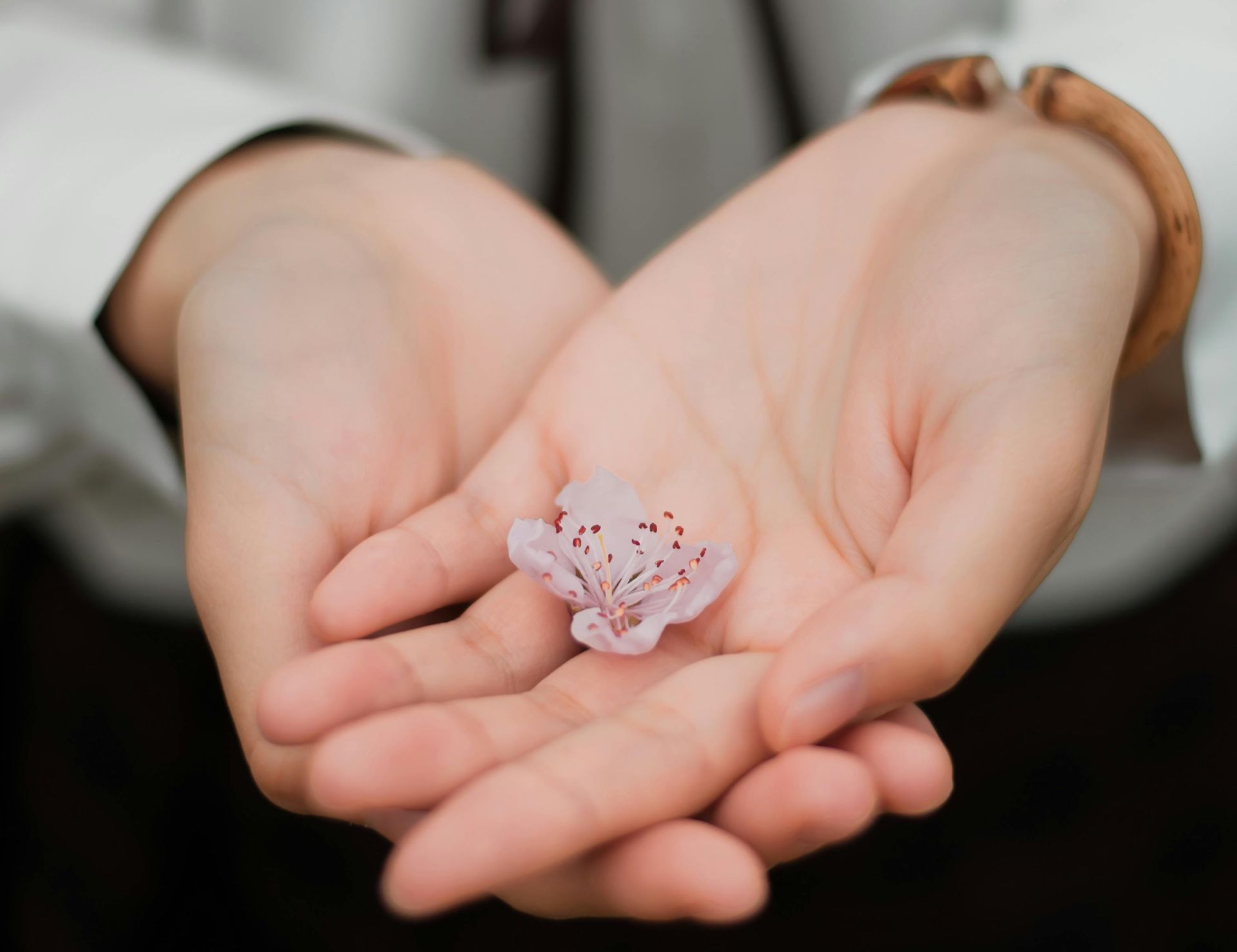
And perhaps, most importantly, it reminds you that you don’t have to keep it all together to be deserving of kindness.
So, if you’ve been pushing yourself, trying to carry everything alone, maybe the invitation right now isn’t to try harder, but to soften. To loosen your grip on perfection. To breathe. To rest for just a moment in the warmth of your own gentleness.
You’ve been carrying a lot. More than most people will ever see.
And you deserve the same compassion you would give to anyone else in your place.
Let yourself rest there, not because you’ve earned it, but because you’re human.
And that, in and of itself, is enough.